
By Integrity Rodent Proofing, Dixon, California. Updated November 15, 2026
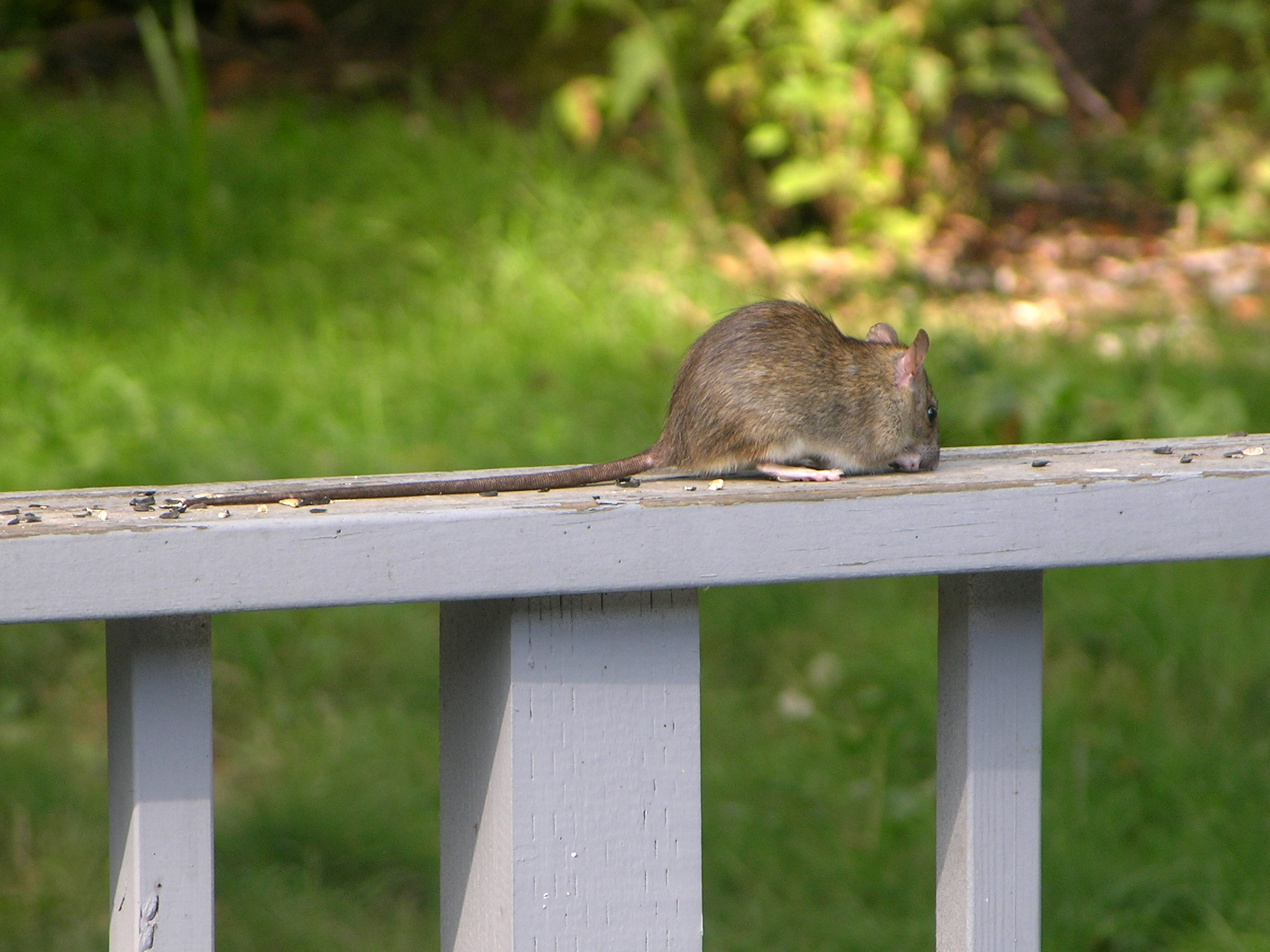
Photo: "Long-tailed black rat (Rattus rattus)" by Alex O'Neal, CC BY-SA 2.0, via Wikimedia Commons
Key takeaways
- A sealed opening does not reopen. A rat that is back is using a route that exists now, and the route can be found.
- Noise in the first days after a job is usually an animal that was still inside when the house was sealed. The follow-up trapping exists for exactly that animal.
- Activity that never really stops almost always traces back to one missed opening, usually a small one hiding where two materials meet.
- Months of quiet followed by fresh signs point the other way: something opened since the work, from a broken vent cover to a hole cut by a later remodel.
- Whatever the cause, the answer is the same work aimed at one route: read the signs, find the opening, seal it, and check until the signs stop.
The animal that never left
The first explanation is the simplest: the rat was already inside when the house was sealed. Sealing closes the house with the rodents in it on purpose, and the trapping that runs after is what takes them out, working the runs they already use. A litter born in the attic just before the work adds a second wave: the young start moving a few weeks later, just as the house seemed to quiet down. The signs sit in the same places they always did, on the same runs, and they thin out as the traps work; no new rat got in. This is the case the follow-up visits are built for; a proofing job is not finished the day the sealing is done.
The opening that was missed
The second explanation is an opening the inspection and the sealing never reached. Houses hide them well: a gap behind a vent pipe, the open end of a tile where it meets a wall, a chase inside a wall that connects the attic to the crawlspace. The activity it feeds is the original problem, still running through one small door. The tell is that the signs never really stop. Traps catch, checks come up quieter, then the droppings are fresh again in the same corner. Continued activity after a proofing job almost always traces back to one missed opening, usually a small one. Fresh signs concentrate on the runs that lead to it, which is what makes it findable.
Hearing scratching? Finding droppings?
Let's find out how they're getting in.
An entry-point inspection checks the common ways rats and mice get in, shows you what we find, and tells you what needs to be sealed.
The opening that opened since
The third explanation arrives later, after a stretch of quiet. The original job did not fail; the house changed. A vent cover cracks or rusts through. A door seal wears until daylight shows at the corner. Settling works an edge loose. A remodel, a roof repair, or a new air conditioning line cuts a fresh hole, and nobody thinks of it as a rodent door. Rats widen soft edges by gnawing, so a gap that starts too small does not stay too small. Even the yard changes: a limb cut back from the roofline grows back into a bridge. The rat is using a new one, and the quiet months in between are the proof.
How to tell a leftover from a new arrival
Timing and place do most of the sorting. Activity in the first days and weeks, in the same spots as before, is the leftover case until the follow-up checks say otherwise. Activity that never stopped is the missed-opening case, and its signs stay concentrated: the same runs, the same corner of the attic, rub marks renewing at the same point. Activity that starts after real quiet, especially in a part of the house that was never active, is a new arrival through a new opening. Fresh droppings help: dark and soft is recent; gray and crumbling is old sign from before the work. One old dropping found in a stored box is a leftover of the old problem, not news. A pattern of fresh sign is news, and it points at the route.
What happens next
The response is a re-inspection that starts from the signs, not from scratch. Where the fresh droppings sit, which runs are active, and where the rub marks are renewing point to the route the rat is using now. The route gets followed to its opening, missed the first time or opened since, and the opening gets sealed with construction grade materials. If an animal is inside, trapping runs again on its runs, and the follow-up checks continue until there are no more signs of activity. Tell the company what you are seeing and when it started; noise in the first week and droppings after six quiet months send the inspection to different places, and both details save time. The inspection is free.
Rat work in our service area
Common questions
Do rats come back after proofing?+
Not through a sealed opening. A rat that shows up after a proofing job is using a route that exists now: an animal that was still inside when the house was sealed, an opening that was missed, or a new opening the house made since. Each one gets found and sealed.
I hear noises a few days after the job. Did the proofing fail?+
Usually not. Sealing closes the house with the rodents still inside, and the trapping stage that follows is what removes them. Noise in the same places, thinning out over the follow-up visits, is that stage working. Noise that settles into a steady pattern in one area is worth reporting, because it can point to a missed opening.
How can I tell if it is the same rats or new ones?+
Read the timing and the map. Same spots, right after the work: animals that were already inside. Signs that never stopped, concentrated in one area: a missed opening feeding the original problem. Fresh signs after months of quiet, in a new part of the house: a new arrival, through an opening that opened since the work was done.
The house was quiet for months, and now there are droppings again. What happened?+
Something opened: a vent cover broke, a door seal wore out, settling loosened an edge, or later work cut a hole: a remodel, a roof repair, new plumbing or air conditioning lines. The sealed work is still sealed; the rat found a door the house made afterward.
What happens if rats come back after a proofing job?+
The job goes back to the evidence. A re-inspection reads the fresh signs, follows the active runs to the opening being used, and seals it. Trapping runs again for any animal inside, and follow-up checks continue until there are no more signs of activity.
Written by
The Integrity Rodent Proofing team
Dixon, California. Rodent-proofing specialists serving homes across Solano, Yolo, Sacramento, Napa and Placer counties. We find how rats and mice are getting in, explain what we find, and seal the openings.