Integrity Rodent Proofing

The Integrity Process

Inspect. Proof. Clean Up. Protect.

Four clear steps keep the job focused: find the access, close the way in, clean affected areas when needed and handle any activity that remains.

01

Inspection

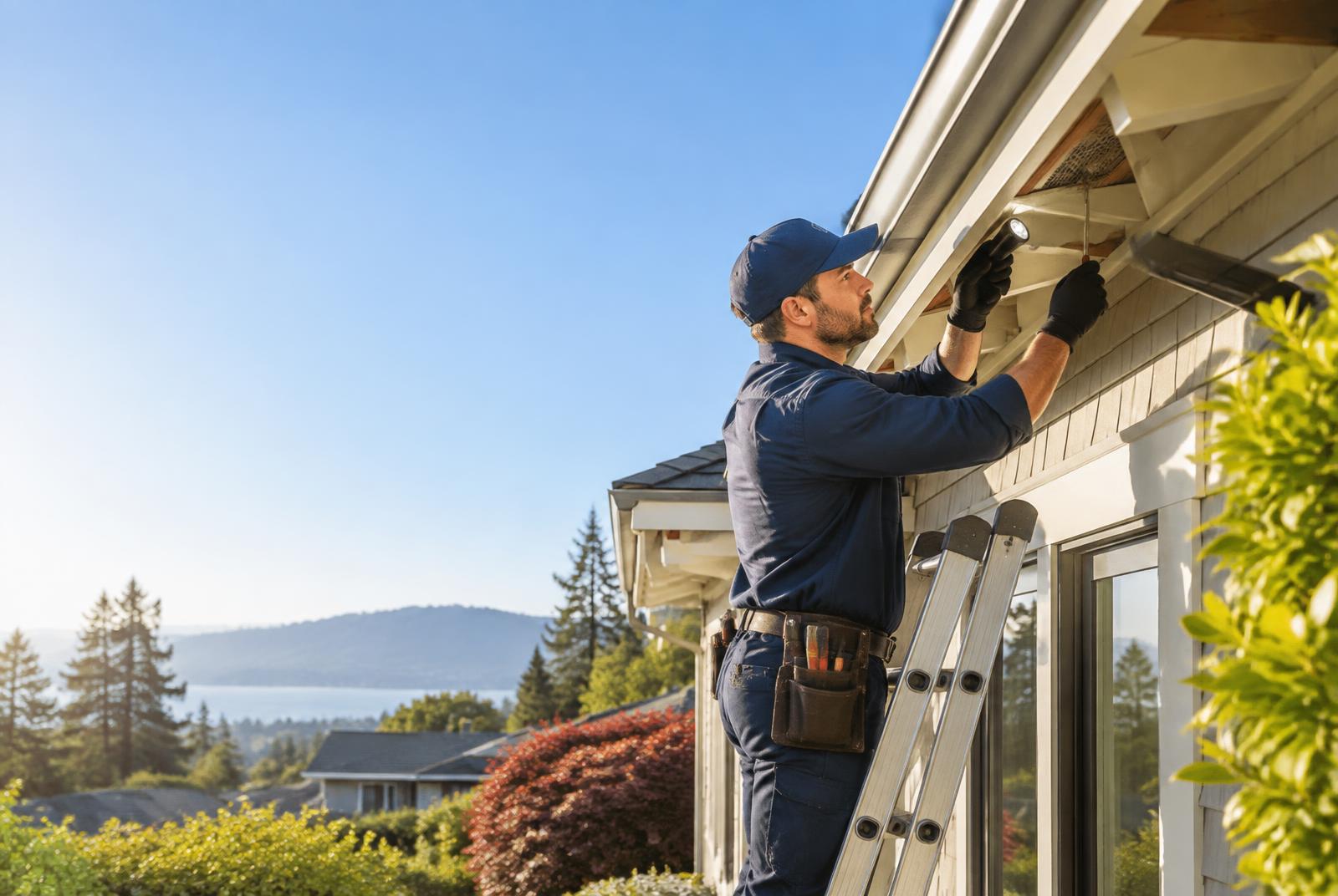
We check accessible areas of the home for rodent activity, entry points and the openings rats or mice may be using. We explain what we find and show you the problem areas.

  • Check accessible roofline, attic, garage and exterior areas
  • Look for droppings, travel signs and possible entry points
  • Show and explain the problem areas we find
02

Proofing

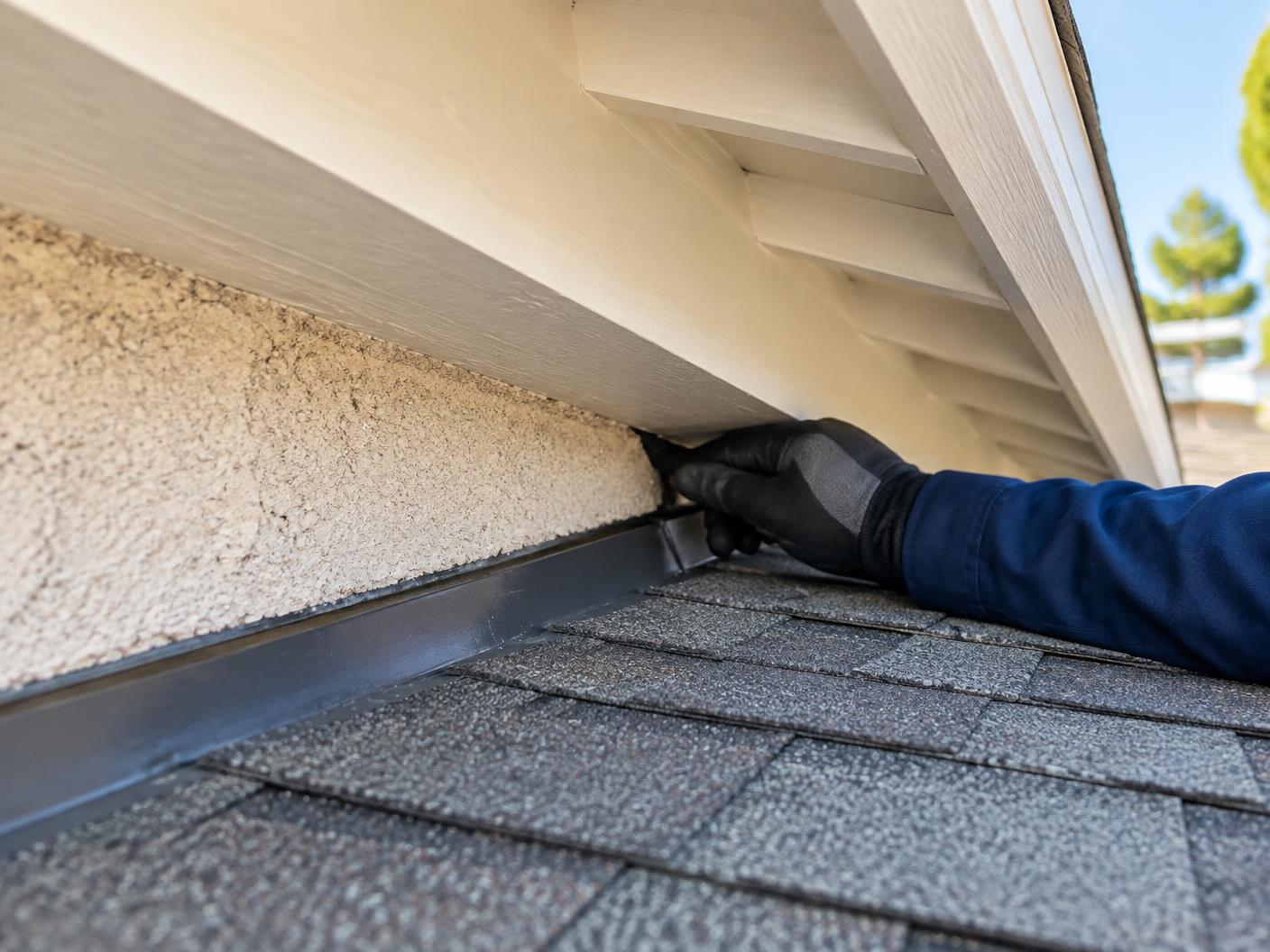
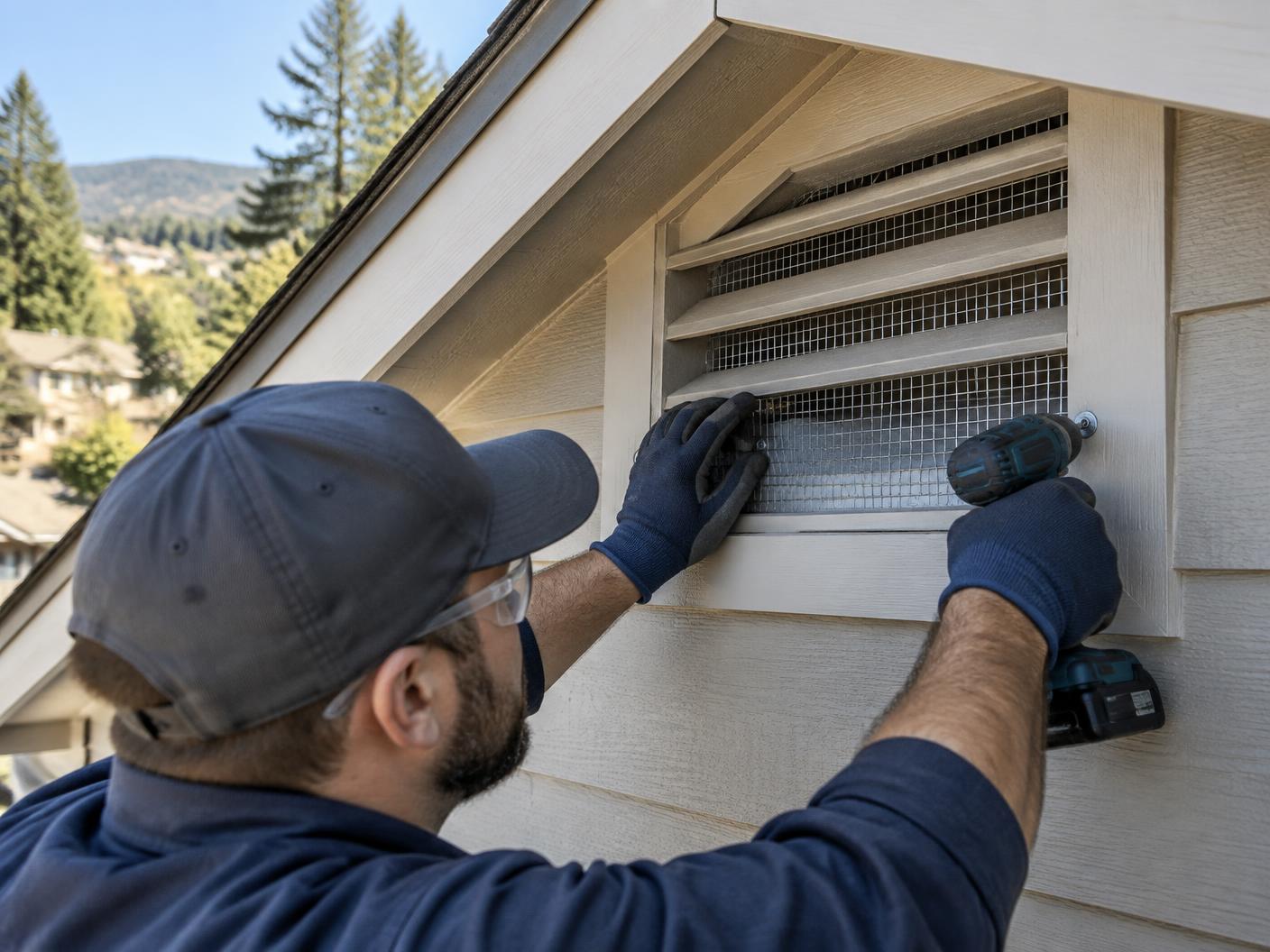
We seal the entry points included in your estimate using construction-grade materials chosen for each opening. The goal is to close the way in.

  • Seal the openings listed in the approved estimate
  • Match materials and repair methods to each opening
  • Document completed work where appropriate
03

Clean-Up

If droppings, nesting material or contaminated areas need attention, clean-up and sanitation can be added. Not every home needs this step.

  • Remove accessible droppings and nesting material when included
  • Sanitize affected accessible areas when needed
  • Discuss insulation work separately when the condition calls for it
04

Protection

When trapping is needed, we set traps and return for follow-up checks. We also review what was sealed and what to watch for going forward.

  • Set traps when rodents may still be inside
  • Return for follow-up checks when included
  • Review what was sealed and what to watch for

Questions

Questions about the process

Every home is different, but the basic order stays the same: understand the activity, address the access and handle what remains.

What happens during a rodent entry point inspection?+

We check accessible areas of the roofline, attic, garage and exterior for signs of rats or mice and the openings they may be using. We explain what we find and use those findings to build the recommended scope.

Do you inspect the roof and attic?+

When those areas can be safely accessed, yes. Rooflines, vents, coves, attic spaces and garage-to-attic connections are often important parts of a rodent inspection.

Will you show me the entry points you find?+

Yes. We explain the problem areas we identify and use photos where appropriate so you can understand what needs to be sealed.

Does every inspection lead to the same work?+

No. Every home is different. The recommended work depends on the entry points, activity, access and conditions found at that property.

What is rodent proofing?+

Rodent proofing means finding the openings rats and mice use to enter a home and sealing them with durable, rodent-resistant materials.

What is rodent exclusion?+

Rodent exclusion is another name for sealing a home against rats and mice. We generally use the term rodent proofing because it is easier for homeowners to understand.

What kinds of openings do you seal?+

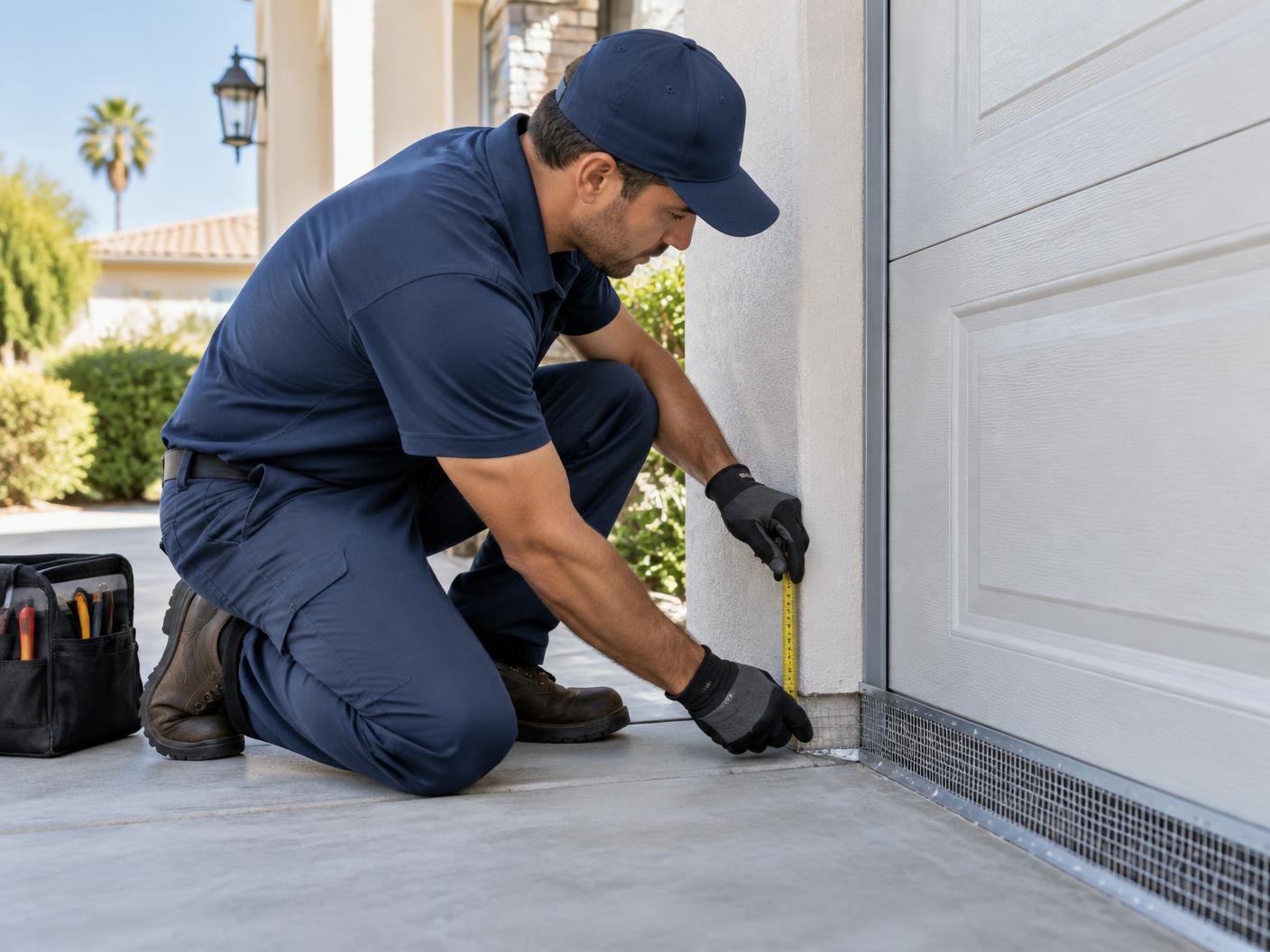
Common areas include roofline gaps, coves, vents, garage door corners, utility penetrations and gaps around foundations, stucco or siding. The exact scope depends on the inspection.

How small of an opening matters?+

Mice can use very small gaps, so we pay close attention to openings around one-quarter inch and larger. The repair still depends on where the opening is and how that part of the home is supposed to function.

Hearing scratching? Finding droppings?

Let’s find out how they’re getting in.

Seal it once. Seal it right. That’s the Integrity Way.

Request Inspection