
By Integrity Rodent Proofing, Dixon, California. Updated November 2026
Key takeaways
- A mouse needs a gap only about the size of a dime, roughly a quarter inch. A rat needs roughly twice that, around half an inch, which is why rat work concentrates on bigger openings.
- If you can see daylight under a closed door, so can a mouse. The gap under an exterior door is the most common mouse entrance there is.
- One mouse in a trap almost never means one mouse. It means there is a route in, and until the openings are sealed, that route stays open.
- First, every opening gets sealed, so nothing new can come in. Only then do traps go in, for the mice still inside.
How small a gap does a mouse need?
About a quarter inch. If the gap is the size of a dime, a mouse fits through it. A rat needs roughly twice that, around half an inch, which is why rat work concentrates on bigger openings you can spot from across the yard. With mice, the problem is the count. A worn door threshold counts. A pipe gap you would walk past counts. A corner where the garage door does not quite meet the floor counts. Each one is a working entrance, and the mice only need one of them, so the proofing has to catch them all.
Where do mice get in?
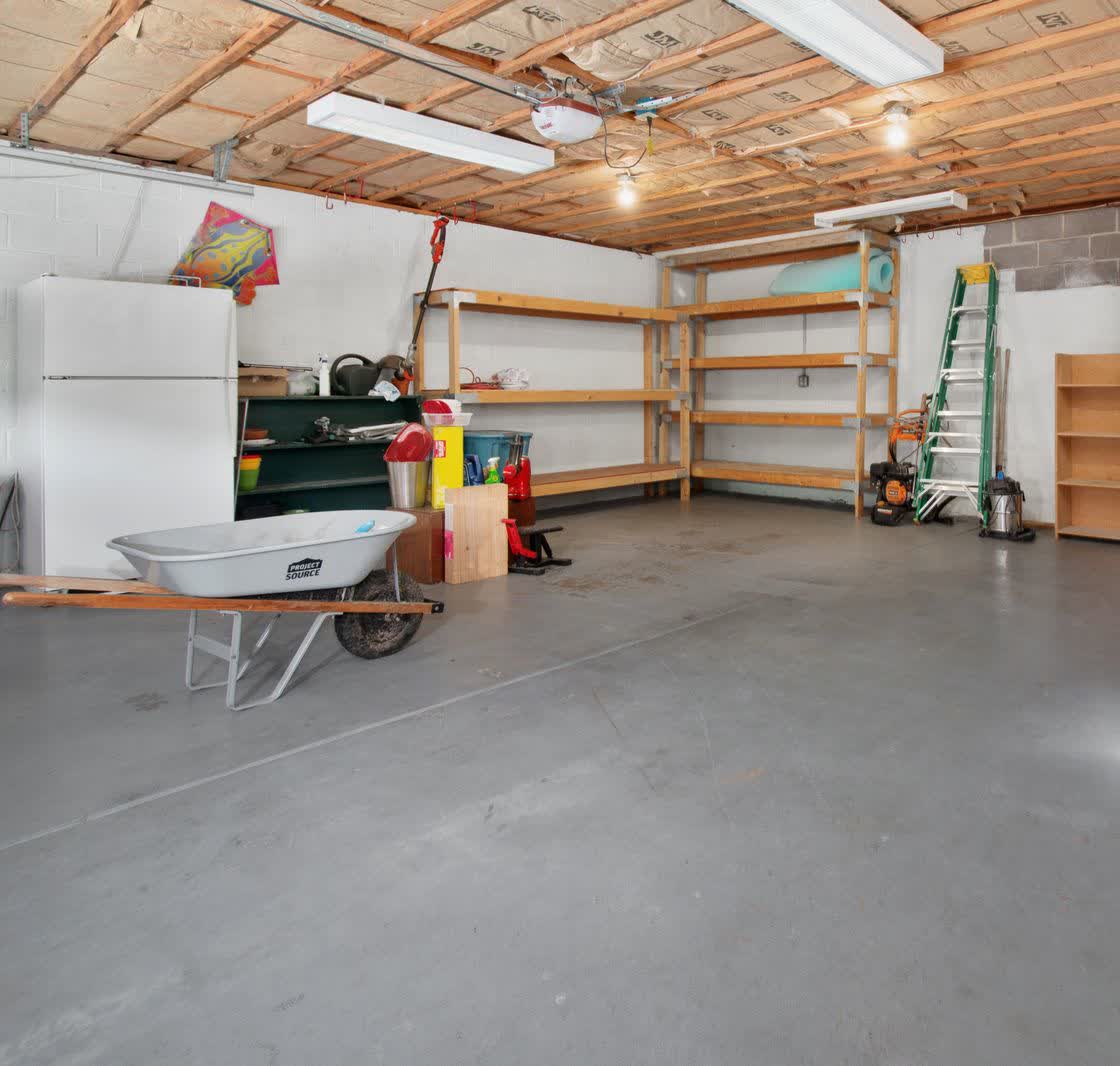
Mice live closer to food than rats do, and that changes where you look. Roof rats work high, along the roofline and in the attic. Mice work low and inside: garages, kitchens, wall voids, the spaces around plumbing. Doors. The gap under an exterior door with a worn sweep or threshold is the most common mouse entrance there is. If you can see daylight under a closed door, so can a mouse. Garage doors rarely seal tight at the corners, and the garage is usually where the pet food, bird seed, and stored clutter sit. A small corner gap opens into the best mouse habitat in the house. Pipes and utilities. Every pipe, wire, and line that passes through a wall leaves a gap around it. Under sinks, behind the stove and the washer, where lines come in from outside. From inside the wall, those same gaps are how mice move between floors without ever being seen. Mice climb well, so the high openings count too: a vent with a damaged cover, a gap at the eaves, an opening along the roofline. Most mouse work happens at ground level, but the check goes all the way up. Seal the outside perfectly and mice can still move freely through a house if the gaps under sinks and behind appliances stay open. They nest in walls and garages, close to food, not only in attics.
Hearing scratching? Finding droppings?
Let's find out how they're getting in.
An entry-point inspection checks the common ways rats and mice get in, shows you what we find, and tells you what needs to be sealed.
Why don't traps finish a mouse problem?
Because a trap answers the wrong question. It tells you mice are inside. It says nothing about how they got in, and as long as the openings stay open, the house keeps refilling. Mice breed year-round indoors, so a problem handled with traps alone stays a problem, just quieter between catches. One mouse in a trap almost never means one mouse. It means there is a route in. Routes get used.
What does mouse proofing actually involve?
An inspection that finds the openings, one by one. Mouse droppings are small, about a quarter inch with pointed ends, and they turn up along walls, in cabinets, and around food storage, which maps where the mice are traveling. Then the work runs in a fixed order. First, every opening gets sealed with construction grade materials, so nothing new can come in. The cleanup and sanitizing happen at the same visit, while the sealing is done: droppings and nesting material in the areas being worked get cleaned out, not left sealed in place. Only then do traps go in, for the mice still inside. We come back to check the traps, and if anything remains once the trapping runs clear, a final cleanup pass finishes the job. What you do helps too: dry food and pet food in sealed hard containers, seed and pet food up off the garage floor, cardboard storage swapped for bins mice cannot shred into nests.
What can you check yourself?
Crouch at your exterior doors in daylight and look for light underneath. Check both bottom corners of the garage door for gaps and chewed weatherstripping. Then open the cabinet under the kitchen sink and look at the holes where the pipes pass through. If your finger fits into the gap around a pipe, a mouse fits easily. Find droppings, and note where they are instead of sweeping them up dry. The openings that matter most are usually the ones that take a ladder, a flashlight, and a practiced eye.
When is it worth calling a professional?
When you have trapped mice and they keep coming. When you hear activity in the walls, or droppings keep showing up in the same cabinets after cleaning, or you flat-out cannot find how they are getting in. Our inspections are free and can usually be scheduled the same week. We check the whole house, show you the openings we find, and give you a written estimate for sealing them. We are licensed and insured, and we never use poison. The mice get sealed out and trapped, not baited. Hearing scratching in the walls, or finding droppings in the same cabinet again? Call Integrity Rodent Proofing at (707) 754-2408 for a free inspection and a written estimate.
Common questions
How much does mouse proofing cost?+
The inspection is free, and it ends with a written estimate tied to the specific openings we find, so you know the job before you decide anything.
Is mouse proofing different from rat proofing?+
The approach is the same: seal the openings first, then trap what is inside. The work is different. A mouse needs only a quarter-inch gap, so mouse proofing means sealing far more openings, and more of them are small interior gaps around pipes and appliances instead of big exterior holes.
Will peppermint oil or an ultrasonic plug-in keep mice out?+
No. Neither one closes a single opening. Mice walk past scents and sounds to use a gap that is still open.
I caught one mouse and have not seen another. Am I done?+
Probably not. One catch means the route in works.
Do you use poison for mice?+
No. Poison is not part of our work. We seal the openings so mice cannot get in, clean and sanitize the areas they have been in, and trap the ones still inside.
Written by
The Integrity Rodent Proofing team
Dixon, California. Rodent-proofing specialists serving Dixon, Davis, Woodland, Winters, Vacaville, West Sacramento, Sacramento, Roseville, and Folsom. We find how rats and mice are getting in, explain what we find, and seal the openings.