Integrity Rodent Proofing

Rodent Proofing Resource

How Rodents Get Into Garages

Garages have moving doors, side doors, utility lines and wall transitions that can leave small gaps rodents can use.

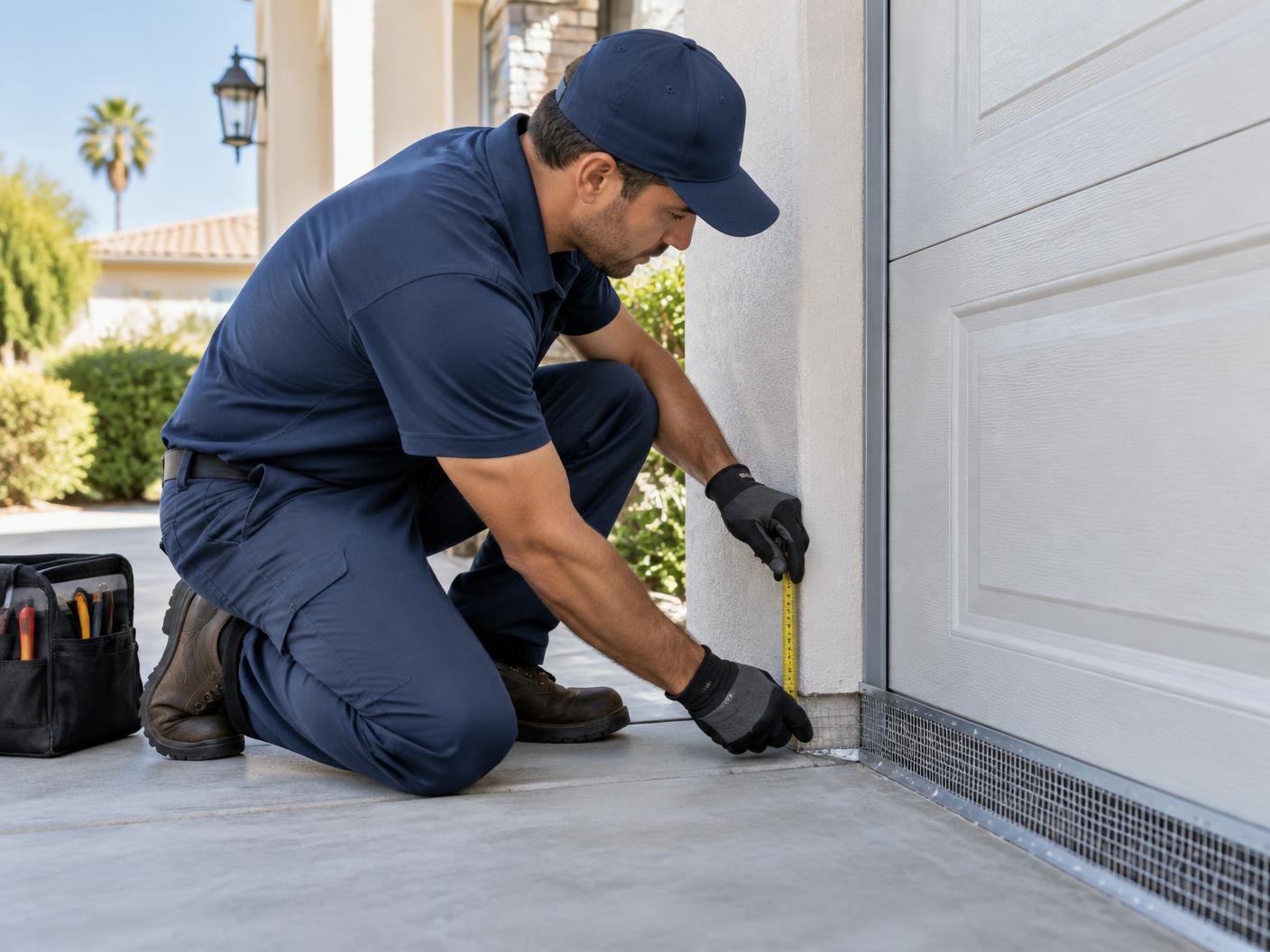
Door corners are common weak points

The lower corners of a garage door can leave a gap even when the main door seal looks good.

Side doors can create openings

Worn sweeps, uneven thresholds or doors that do not close cleanly can leave enough space for mice and sometimes rats.

Utilities create penetrations

Pipes, cables and other services entering the garage can leave gaps that lead into wall or attic spaces.

Related service

The article explains the problem. The inspection finds it on your home.

If you are hearing scratching, seeing droppings or finding signs of rodent activity, the next step is to find the actual entry points.

Request an Inspection

Related questions

What happens during a rodent entry point inspection?+

We check accessible areas of the roofline, attic, garage and exterior for signs of rats or mice and the openings they may be using. We explain what we find and use those findings to build the recommended scope.

Do you inspect the roof and attic?+

When those areas can be safely accessed, yes. Rooflines, vents, coves, attic spaces and garage-to-attic connections are often important parts of a rodent inspection.

Will you show me the entry points you find?+

Yes. We explain the problem areas we identify and use photos where appropriate so you can understand what needs to be sealed.

Does every inspection lead to the same work?+

No. Every home is different. The recommended work depends on the entry points, activity, access and conditions found at that property.

What is rodent proofing?+

Rodent proofing means finding the openings rats and mice use to enter a home and sealing them with durable, rodent-resistant materials.

Hearing scratching? Finding droppings?

Let’s find out how they’re getting in.

Seal it once. Seal it right. That’s the Integrity Way.

Request Inspection