
Identify the activity
Trap placement is based on the areas where rodents are actually traveling or feeding.
Rodent Trapping & Removal
Trapping and proofing solve two different problems. Proofing closes the way in; trapping removes rodents that may still be inside.
What we look for
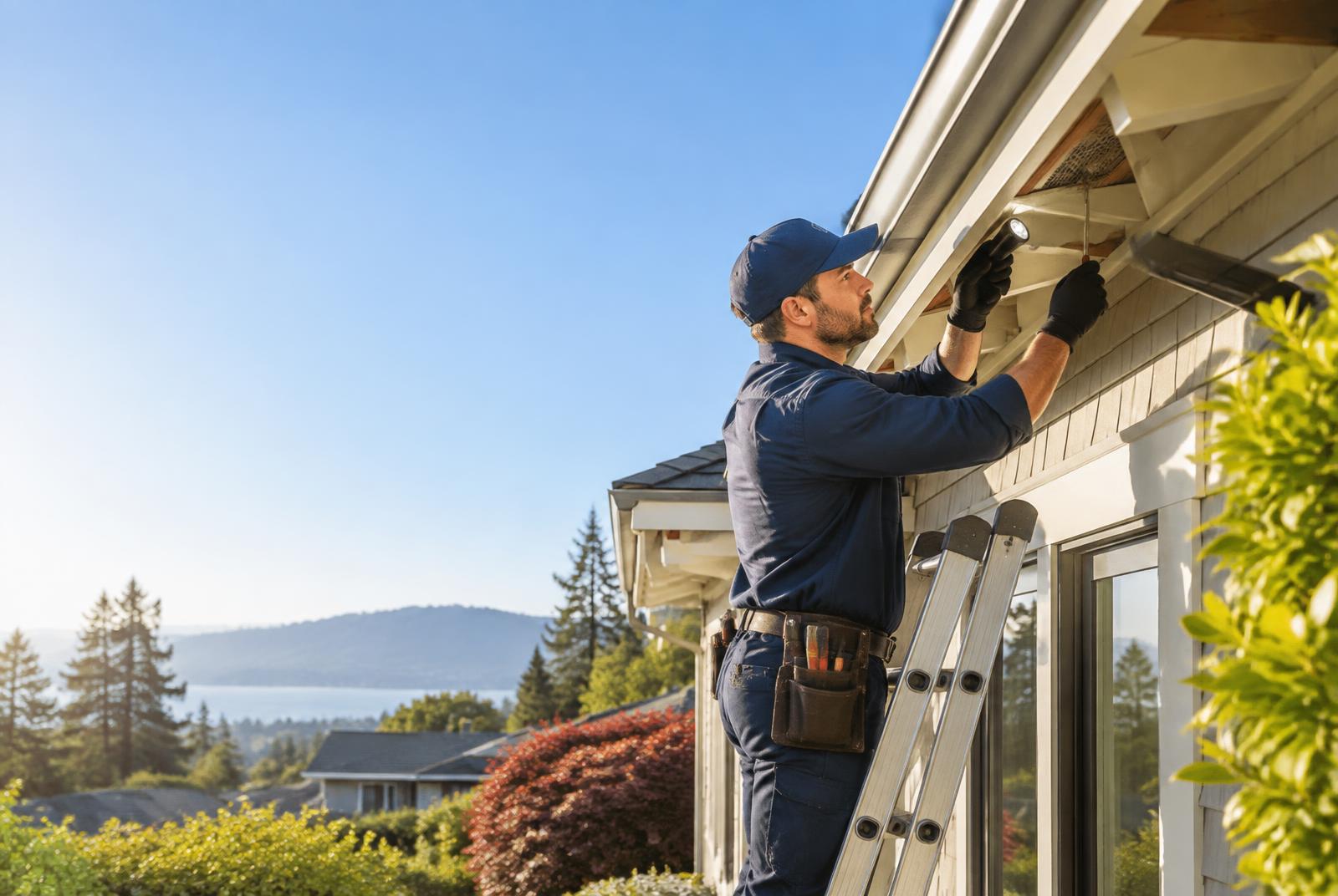
The inspection is about connecting what you are hearing or seeing inside with the openings that may exist outside.
The number of traps and follow-up visits depends on the activity we find and what is included in your estimate.
Where this fits
The work changes by home, but the order is consistent: understand the activity, address the access and handle what remains.
Trap placement is based on the areas where rodents are actually traveling or feeding.
Trapping works best as part of a plan that also addresses the openings allowing new rodents in.
Return visits are used when included to check traps and decide whether more activity remains.
Questions
The exact work depends on the home, the entry points and the areas we can safely access.
No. Trapping deals with rodents already inside. Proofing addresses how they got in. When activity is ongoing, the two may be used together.
Sometimes. Rodents may still be inside after the entry points are closed. When trapping is needed, it can be included as a separate part of the job.
The number of traps and follow-up visits depends on the activity we find and what is listed in your estimate.
We check accessible areas of the roofline, attic, garage and exterior for signs of rats or mice and the openings they may be using. We explain what we find and use those findings to build the recommended scope.
When those areas can be safely accessed, yes. Rooflines, vents, coves, attic spaces and garage-to-attic connections are often important parts of a rodent inspection.
Yes. We explain the problem areas we identify and use photos where appropriate so you can understand what needs to be sealed.
Related services
Inspection, proofing, trapping, clean-up and insulation work are separate parts of the job. The inspection helps determine which parts apply.
Find and seal the openings rats and mice use to get into your home.
Learn more02Inspect the home for signs of activity and the openings rodents may be using.
Learn more03Seal roofline openings, coves, eaves and other access points that can lead into the attic.
Learn moreHearing scratching? Finding droppings?
Seal it once. Seal it right. That’s the Integrity Way.