
Walk the exterior
Inspect the lower walls, utilities, vents and construction transitions for rodent-sized openings.
Exterior Rodent Proofing
We inspect gaps around foundations, stucco, siding, vents, pipes, cables and other exterior penetrations rodents may use.
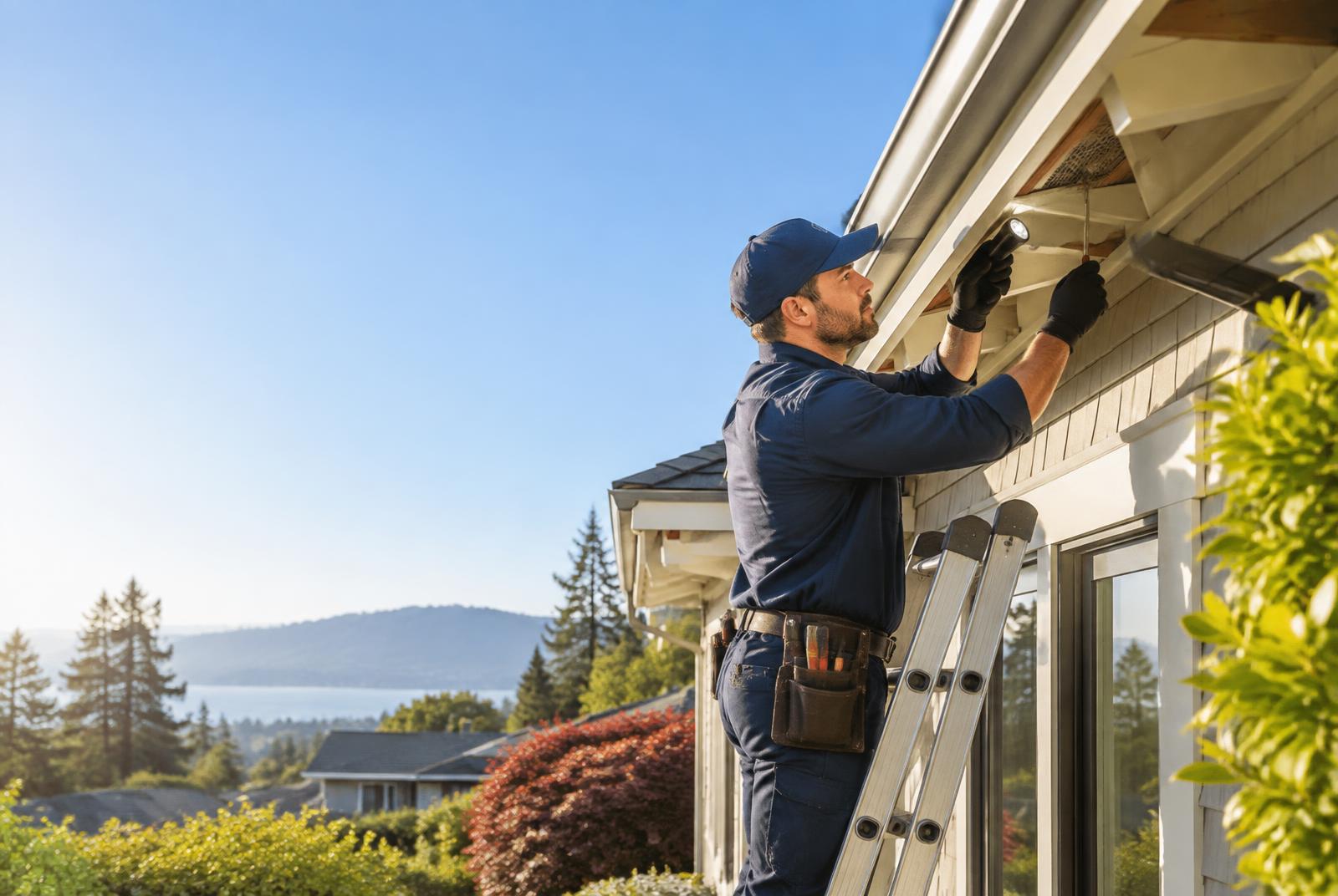
What we look for
The inspection is about connecting what you are hearing or seeing inside with the openings that may exist outside.
The estimate identifies the entry points we recommend sealing so you know exactly what exterior work is included.
Where this fits
The work changes by home, but the order is consistent: understand the activity, address the access and handle what remains.
Inspect the lower walls, utilities, vents and construction transitions for rodent-sized openings.
Use a repair method appropriate for the material and location instead of one product everywhere.
Exterior openings are compared with attic, garage or wall activity to make the scope make sense.
Questions
The exact work depends on the home, the entry points and the areas we can safely access.
Rodent proofing means finding the openings rats and mice use to enter a home and sealing them with durable, rodent-resistant materials.
Rodent exclusion is another name for sealing a home against rats and mice. We generally use the term rodent proofing because it is easier for homeowners to understand.
Common areas include roofline gaps, coves, vents, garage door corners, utility penetrations and gaps around foundations, stucco or siding. The exact scope depends on the inspection.
Mice can use very small gaps, so we pay close attention to openings around one-quarter inch and larger. The repair still depends on where the opening is and how that part of the home is supposed to function.
Yes, when the problem area can be safely accessed. Tile roof transitions, coves, vents and roof-to-wall areas can all require close inspection.
Yes. Damaged screens and unprotected vent openings can become entry points. The repair should make the opening rodent-resistant without preventing the vent from doing its job.
Related services
Inspection, proofing, trapping, clean-up and insulation work are separate parts of the job. The inspection helps determine which parts apply.
Find and seal the openings rats and mice use to get into your home.
Learn more02Inspect the home for signs of activity and the openings rodents may be using.
Learn more03Seal roofline openings, coves, eaves and other access points that can lead into the attic.
Learn moreHearing scratching? Finding droppings?
Seal it once. Seal it right. That’s the Integrity Way.